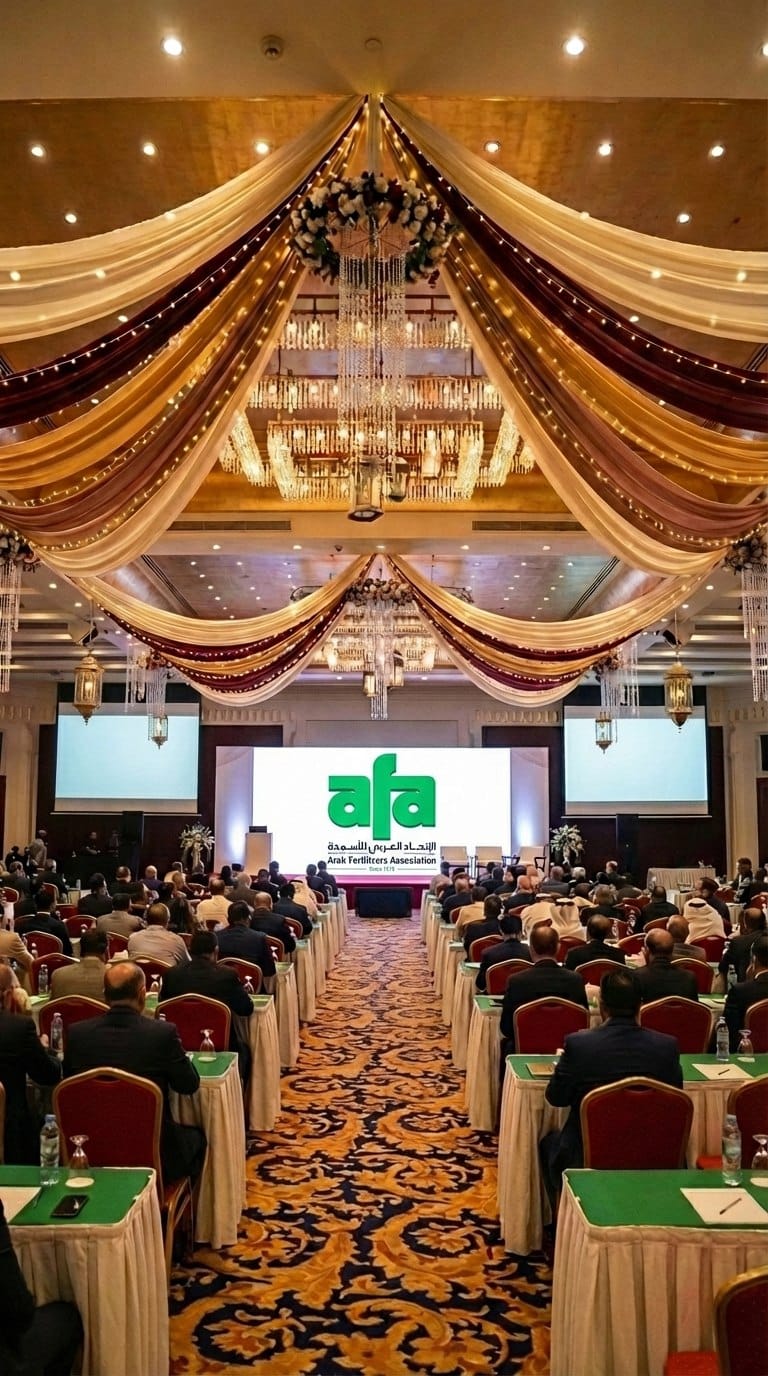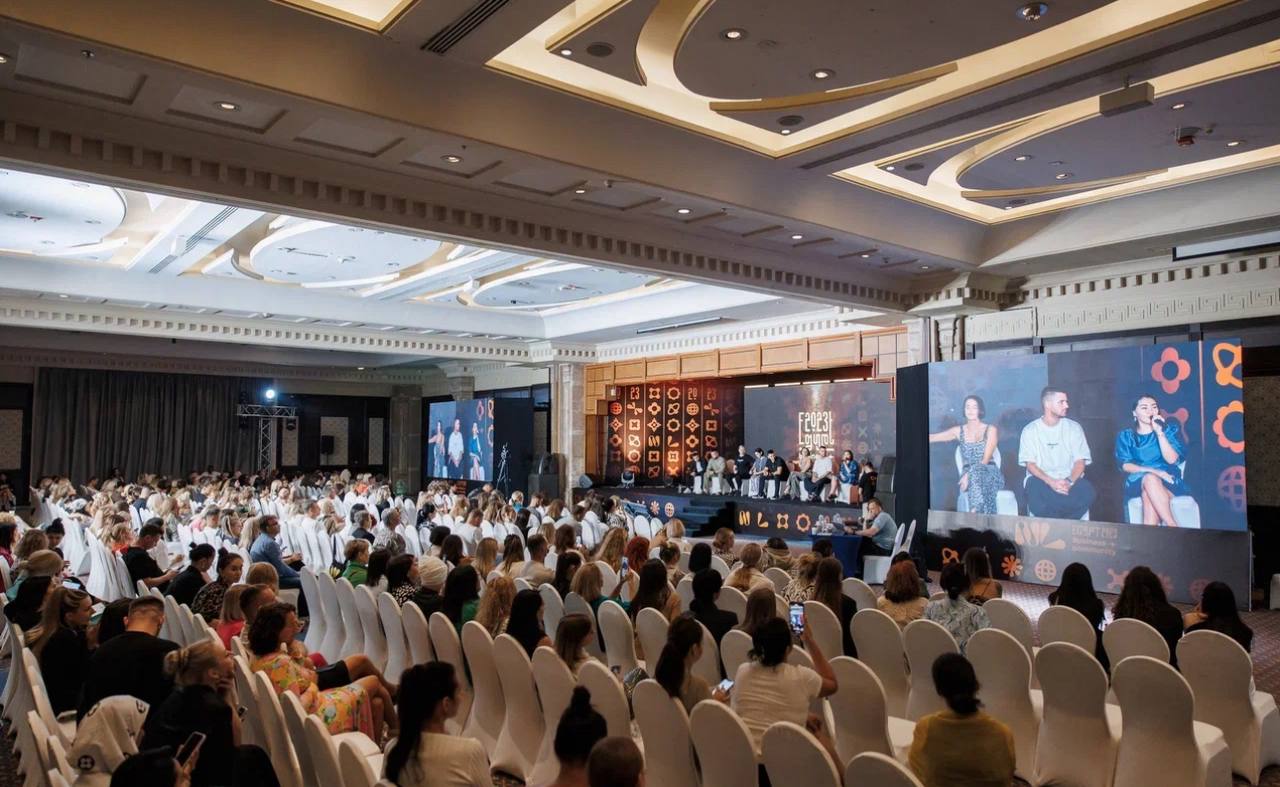
“DMC in Egypt” is the search that starts once the event is almost decided: the dates are set, the board has said yes to the pyramids or the Red Sea, and someone now has to make it happen on the ground. The permit to film at the Sphinx is not the hotel’s to give, coaches for a hundred delegates have to come from somewhere, and someone has to meet a night arrival at Cairo airport. All of that is the job of a destination management company, or DMC.
We have worked in Egypt as a DMC since 2004. This article sets out, without brochure language, what a destination management company in Egypt actually does, how it differs from a travel agent and an event agency, what can only be solved locally, and what to ask any Egypt DMC before you sign — including us.
What a DMC is, and how it differs from a travel agent and an event agency
A destination management company is based in the destination and owns everything that happens to a group inside the country: hotels and venues, transport, guides, permits, local production and coordination on the day. It does not invent the creative idea and does not sell the flights; its job is to deliver the client’s idea abroad with the same precision as at home.
The confusion exists because all three types of company can put “events abroad” on a slide. The difference is who does the work, and where.
| Who | What they do | What they usually do not do |
|---|---|---|
| Travel agent | Flights, rooms, insurance, visas. Works from your home market through booking systems | The event itself: venues outside the hotel, production, permits, on-site coordination |
| Event agency | Concept, script, programme, show direction, client communication. Abroad, it looks for a local partner | Direct contracts with hotels and venues in the destination, local logistics |
| DMC | Everything that happens to the group in-country: venues, transport, guides, permits, production, on-site operations | The creative concept when the client has an agency; flights from home |
The most reliable set-up for a corporate group is a DMC that also runs the full event cycle: its own team in the country, direct contracts and its own production. There is no chain of intermediaries between the client and the venue, so nothing gets lost or marked up along the way.
What a DMC in Egypt does: seven steps from brief to report
Ground handling in Egypt follows the same sequence whether the client is a corporation working with us directly or an agency managing its own client. This is how we take every group through it.
- Brief. Objectives, format, headcount, dates, cities, constraints. At this stage a DMC asks questions rather than sending a template: what does success look like, who is the audience, what should remain after the event.
- Site inspection. Hotels, halls and locations are checked against the specific task: capacity, technical set-up, load-in, coach access, the light at the right time of day. A client’s inspection visit is built to cover everything in a day or two.
- Proposal. A day-by-day scenario, venues for each block, the logistics scheme and a list of what is included. A good proposal reads like an event plan, not a brochure.
- Contracts. The DMC contracts the hotel, the ship owner, venues, transport and artists in its own name under direct agreements. The client receives one contract and one point of accountability.
- Logistics. Rooming lists, arrival and transfer schedules, permits, technical riders, menus, timings — all merged into one working document for the on-site team.
- On-site operations. Airport meet and greet, fast-track, check-in, coordinators on every block of the programme, the technical crew, a duty office that answers around the clock. The client sees one project lead with the whole team behind them.
- Report. Closing documents for every line, photo and video, and a debrief: what worked, what to change next time. For agencies, paperwork in English and Arabic.
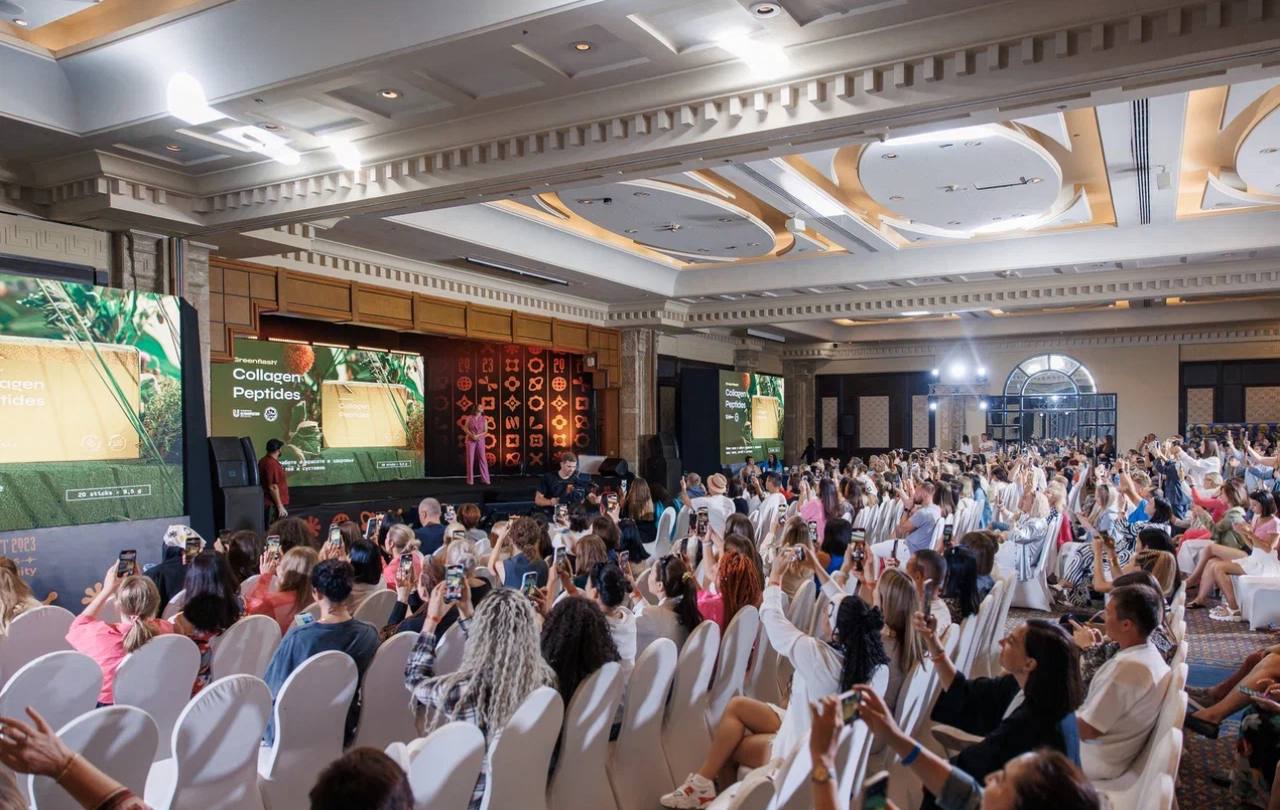
What is specific to Egypt: the tasks only solved on the ground
Egypt offers an unusually generous stage: the pyramids, the Nile, the Red Sea, the temples of Luxor. That is exactly why the receiving party has to be physically here and work directly with local authorities and suppliers. Five differences from a familiar European scenario.
Permits: the Giza Plateau, museums and historic Cairo
An event, a dinner or a film shoot on the Giza Plateau, inside a museum or in the streets of old Cairo takes place in a protected zone and needs its own permit. It is issued not to the hotel or the client but to a licensed receiving company, in advance, with the group’s documents. Private access to the pyramids before the plateau opens and after it closes — including the chambers of the Great Pyramid and the Sphinx enclosure — also runs on permits, up to 50 guests per permit. If a DMC says it will “sort it out on the day”, it will not have one.
Season and heat
The comfortable season for outdoor programmes runs from October to April. In summer the daytime part in Cairo and on the Giza Plateau is built around early morning and evening, and in Sharm El Sheikh around the sea and air-conditioned halls. Ramadan is a separate factor: local staff and venues work to a different rhythm, and the programme is planned around it in advance.
Cairo or Sharm El Sheikh: two different logistics
Cairo is a large city with heavy traffic, historic venues and business hotels; the key DMC skill here is counting travel time honestly and keeping transport in reserve. Sharm El Sheikh is a resort where conference hotels, the desert and the sea sit close together, and logistics come down to flight schedules and hall capacity. Many groups combine the two: business sessions by the sea in Sharm, a cultural block with the pyramids in Cairo. That takes an event DMC with a team in both cities, not a “partner” in one of them.
Security and escort
A corporate group in Egypt moves along agreed routes, with an escort, on the receiving company’s own transport with its own drivers — not hired coaches with a random crew. For closed formats the DMC arranges private security. This is not about fear; it is about a hundred people never depending on improvisation.
Languages and paperwork
Egypt’s working languages are Arabic and English: venue contracts, permits, invoices and correspondence with the authorities are conducted in them, so a receiving company must issue documentation in both. For the group itself the DMC should provide Egyptologist guides and coordinators in the delegates’ language; we work in English and Russian. “A guide who speaks some English” is not the same as a trained Egyptologist leading the tour in your language.
Checklist: what to ask an Egypt DMC before you sign
These questions are worth putting to any destination management company in Egypt. “We will confirm later” counts as a no.
- In-house team or subcontractors? Who exactly will work with our group in Cairo and Sharm El Sheikh — your own staff or partners?
- Direct contracts or intermediaries? Which hotels, ship owners and venues do you hold direct agreements with?
- Licences and permits. Is the company licensed to receive groups, and has it obtained permits for events and filming on the Giza Plateau, in museums and in historic Cairo?
- How does the duty office work? Who answers at night and at weekends, how fast, and in which language?
- Paperwork. Can you issue the contract, invoices and closing documents in English and Arabic to match our accounting requirements?
- Terms for agencies. Do you work on net rates, and do you commit not to approach the agency’s clients directly?
- Cases at our scale. Show us projects with a comparable headcount and format, and give us client references we can call.
- Who is the project lead? One named person with a phone number, or a “department” in which responsibility dissolves?
- What happens when things change? How does the proposal change if the headcount moves, the dates shift or the hotel offers a substitute?
What a good agency-and-DMC partnership looks like
A large share of our groups arrive through agencies that manage their own client and are looking for a receiving partner in Egypt. A good partnership works like this: the agency owns the client relationship, the concept and the communication; the DMC owns the country. Roles are separate and responsibility is not duplicated.
- Agency: the client brief, concept and script, agreeing terms with the client, delegate communication, branding and content.
- DMC: site inspection and venue selection, direct contracts, permits, transport and guides, local production, on-site operations, documentation.
- Shared: one project book, one accountable person on each side, status calls before arrival and a daily briefing during the event.
- The rule that keeps a partnership long-term: the DMC works on net rates and never goes around its partner to the agency’s client.
When you need a DMC, and when the hotel is enough
The honest answer: not every group needs a destination management company. If the whole event takes place in one hotel and the programme is a hall, a banquet and a beach, the hotel’s banqueting team can handle it. A DMC becomes necessary the moment the group leaves the hotel gates.
Hotel or DMC
The hotel is enough if
- The entire programme is inside one hotel: hall, banquet, pool
- The group arrives on one flight and the hotel arranges the transfer
- No filming, external venues or permits
- No multi-day programme with excursions
- The client handles all correspondence with the hotel
You need a DMC if
- The programme includes the pyramids, museums, old Cairo, the Nile or the desert
- Several cities or several hotels
- Delegates arrive on different flights and need fast-track
- You need production, décor, a stage, artists, filming
- You need one point of accountability and a 24/7 duty office
In place of a conclusion
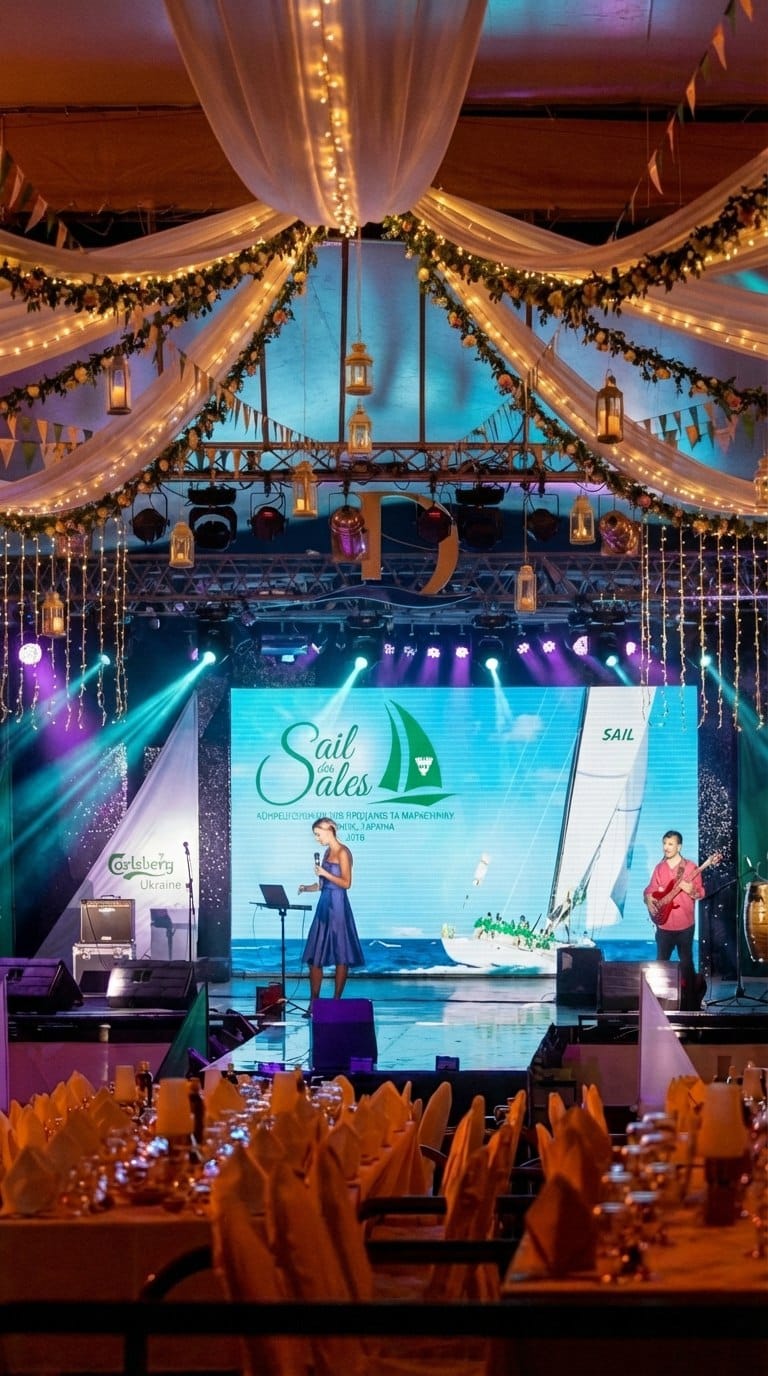
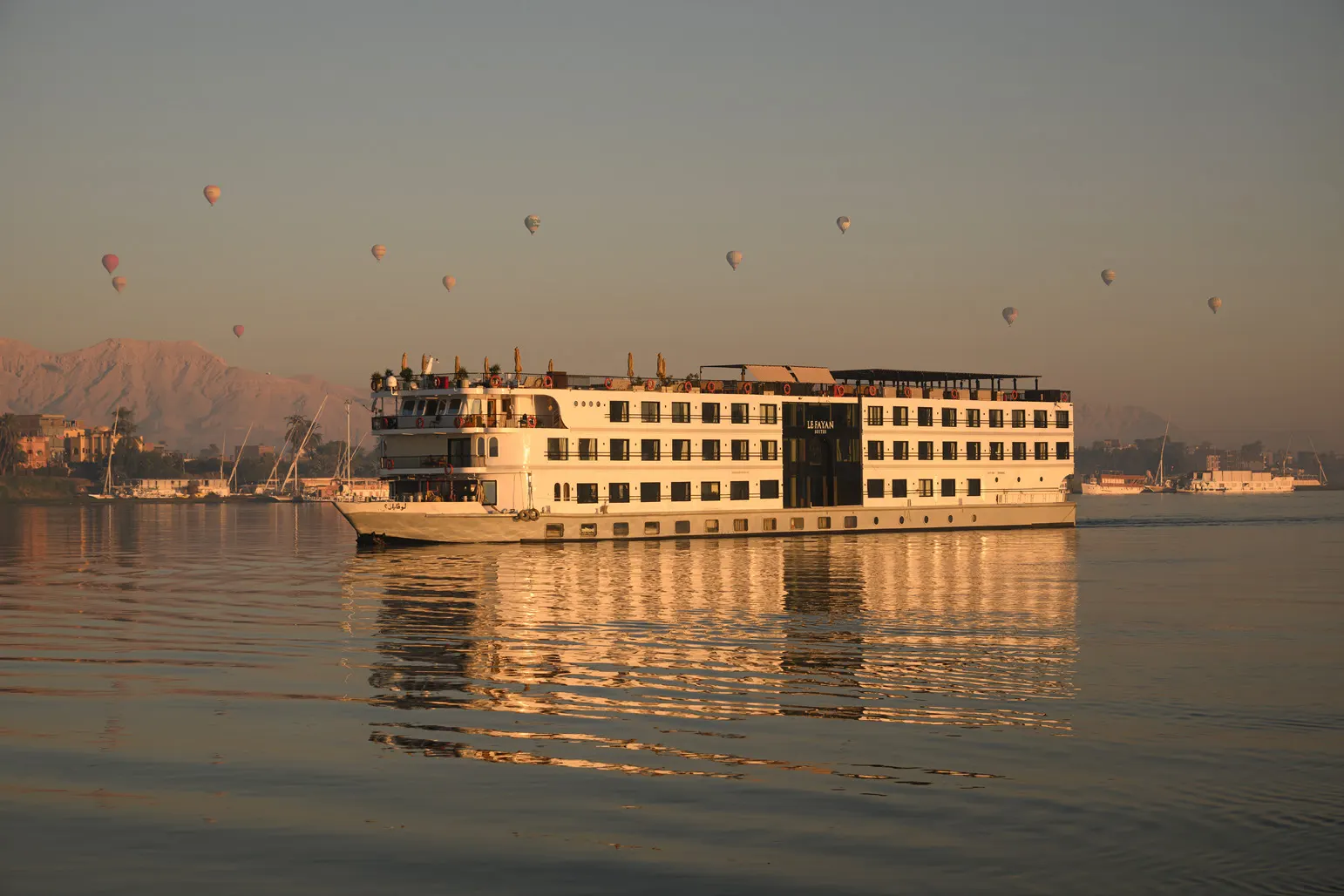
A good DMC in Egypt does not sell “Egypt in general” — it sells delivery. La Royal Event has operated as a full-cycle destination management company since 2004: an in-house team in Cairo and Sharm El Sheikh, direct contracts with hotels, ship owners and venues, permits for the Giza Plateau, museums and historic Cairo, Egyptologist guides in English and Russian, our own drivers, catering, décor, sound and light, a 24/7 duty office, documentation in English and Arabic and net rates for agencies. From the Carlsberg conference for 1,000 delegates to a private charter of Lumière with eight cabins. Ask us the questions from the checklist above — we like clients who ask them.
Liked this article?
Share with colleagues — useful for them, nice for us :)
Stay on top of the industry
Weekly — new articles on MICE industry, cases and insights. No spam.