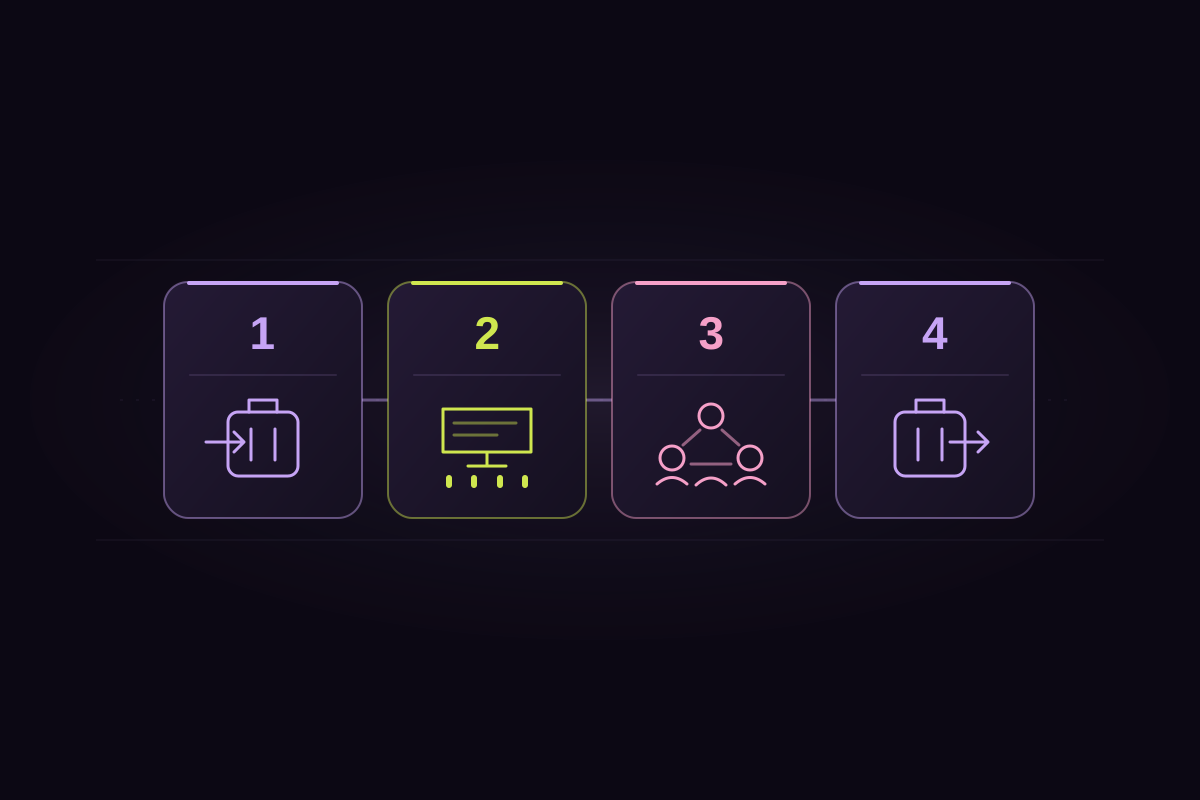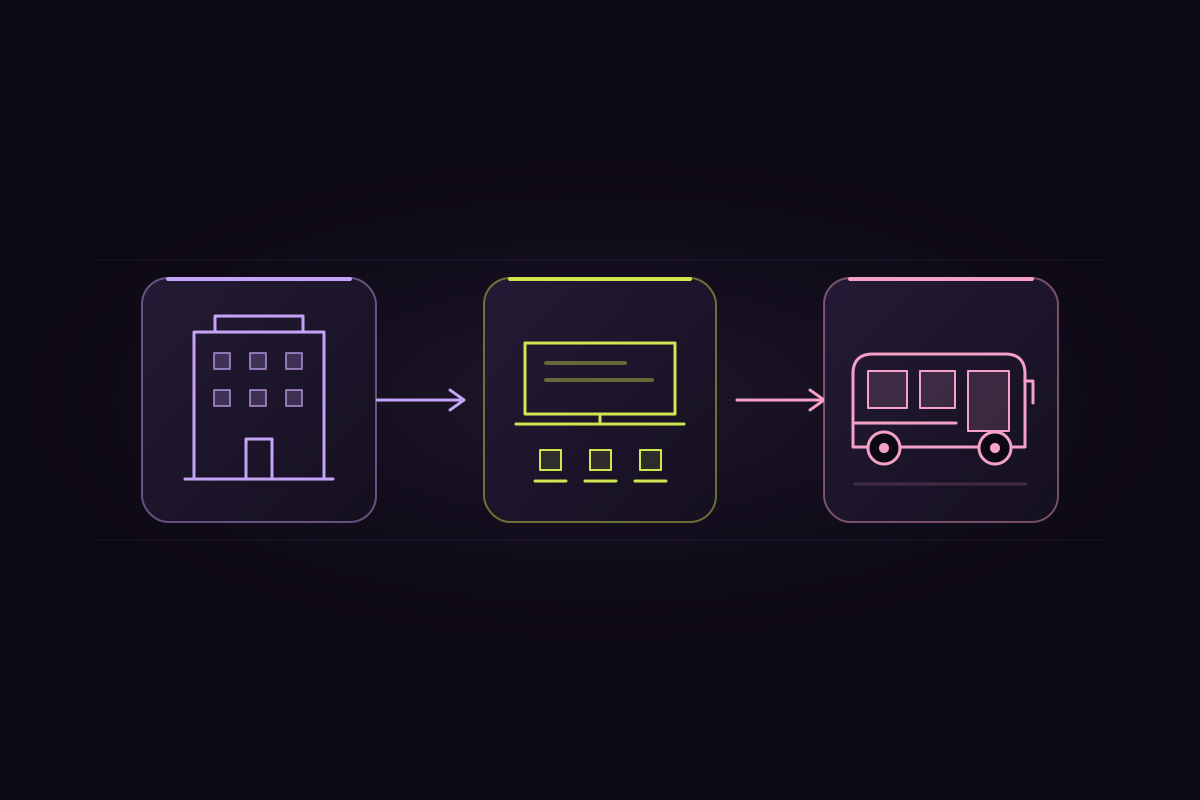
When preparing a conference in Cairo, the hotel, business venue and delegate routes need to work as one programme. Even a suitable meeting room will not solve the problem if guests cannot reach sessions on time, meetings overlap and assembly time is missing from the schedule. Start with the audience and mandatory meetings, then assess venues and travel arrangements against those requirements.
A real example of a conference in Cairo
Our team organised a conference for 500 delegates at a Kempinski hotel in Cairo. We are keeping the client company's name confidential.
A new conference of a similar size will need its own assessment of meeting rooms, accommodation and programme: delegate numbers alone do not determine the right configuration. The following recommendations explain how to prepare such an event. They do not describe the detailed delivery of the project mentioned above.
When to choose Cairo for a conference
Consider Cairo when an important part of the trip involves local partners, business meetings and activities in the city. Start by listing the essential stops: where delegates need to be, whom they need to meet and who will attend only specific sessions. This helps define the area in which to look for a hotel and venue.
If the choice between Cairo and a resort is still open, compare specific scenarios. A team trip with time by the sea and a conference with business meetings in the city may need different arrangements. Our main guide to conferences in Egypt covers the objectives suited to Cairo, the Red Sea and the Nile.
Assess accommodation together with the business venue
Holding sessions in the hotel where delegates are staying reduces the number of essential journeys, but you still need to walk through the guest's route within the property. Where is the accommodation block, how do guests reach the meeting room, where do they go for a coffee break, and is the signage clear? Check these points on the plan and during the site inspection.
If delegates are staying in several hotels, prepare a separate arrival plan for the conference. Confirm coach boarding points, the assembly process, drop-off and the return journey. Speakers and guests attending only the business sessions will need their own reception arrangements.
Assess the meeting room in the configuration required for the specific event. Theatre-style capacity does not tell you how many delegates will fit once the stage, screens, technical control desk and aisles are in place. Before confirming the venue, you need a floor plan with the chosen seating layout.
Plan transfers around the actual routes
To calculate travel arrangements, you need addresses, journey dates and times, expected flights and the composition of each group. Check journey duration for the particular time of travel and add an agreed buffer. A promise that 'everything is nearby' is no substitute for this work.
It helps to divide the flight list into arrival groups. Specify a meeting point, the coordinator's contact details and what to do in the event of a delay. Separately consider what happens when part of the group is ready to leave while a few guests are still completing airport formalities.
Include the assembly time and departure point in the delegate programme. The team's working document should also contain vehicle, driver and coordinator details, along with the process for updating lists. If a flight changes, the information needs to reach everyone responsible for meeting the guests.
Schedule the plenary and individual meetings separately
Several groups may attend the conference: company employees, partners, invited speakers and guests at individual meetings. Create an attendance matrix showing who needs each session. This is particularly important when a leader or interpreter is involved in several formats.
Schedule the plenary, business meetings and breakout sessions with movement between rooms in mind. For meetings with external guests, agree the duration, attendees, languages and the person responsible for welcoming them in advance. The client's representative should confirm names, job titles and the speaking order.
Leave time during the business day to record agreements. If the purpose of the trip is to agree next steps with partners, each meeting needs someone to record decisions and pass them to the people responsible. The number of sessions held does not, on its own, show the outcome of the conference.
Prepare registration for different arrival flows
Delegates staying at the hotel, invited guests and speakers may arrive by different routes. Define where registration starts for each flow, which materials are handed out and who helps with questions. Make sure that people waiting do not block the entrance to the meeting room or access to other areas.
If different badge categories are used, the team needs to understand what they mean. Consider assigning a separate member of staff to name corrections and registration queries, so that one complicated question does not stop the whole flow.
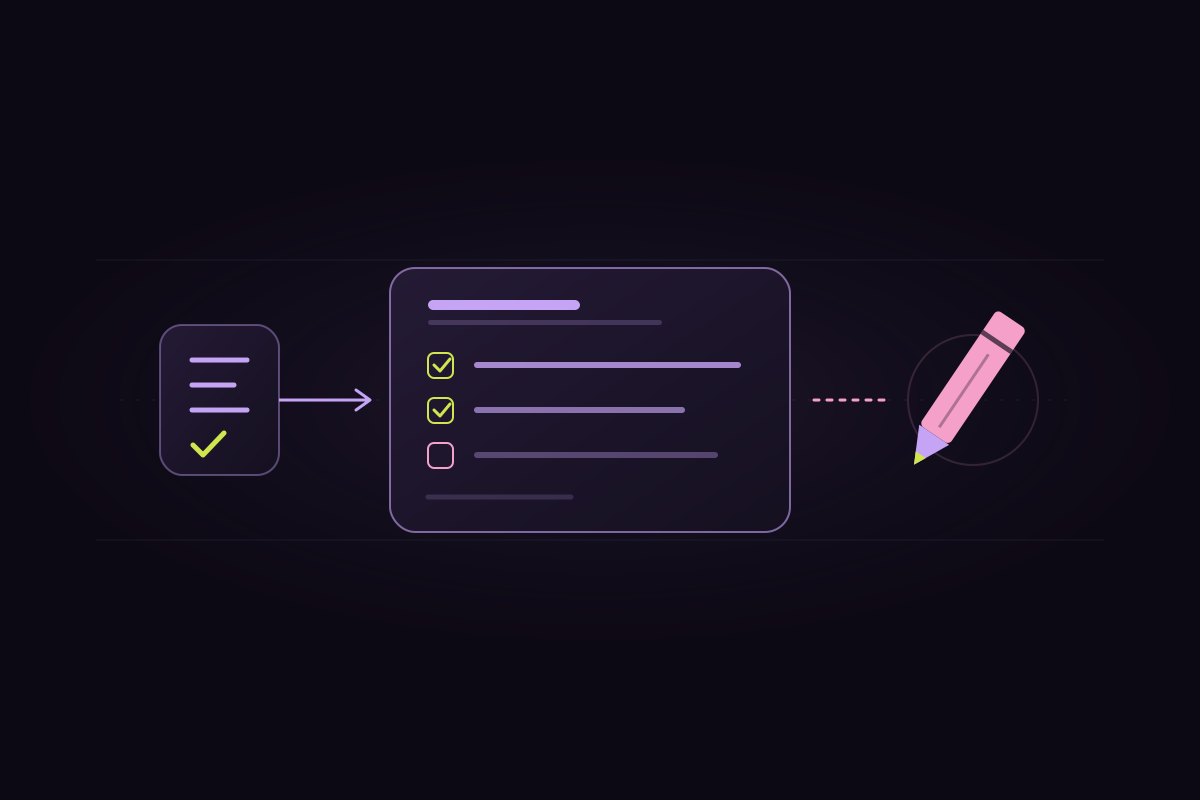
Maintain agreed versions of delegate lists, room allocations and business meetings. An outdated list held by one coordinator can cause errors even when the programme has been prepared correctly. Appoint someone to confirm changes and inform the relevant teams.
Coordinate interpretation with technical preparation
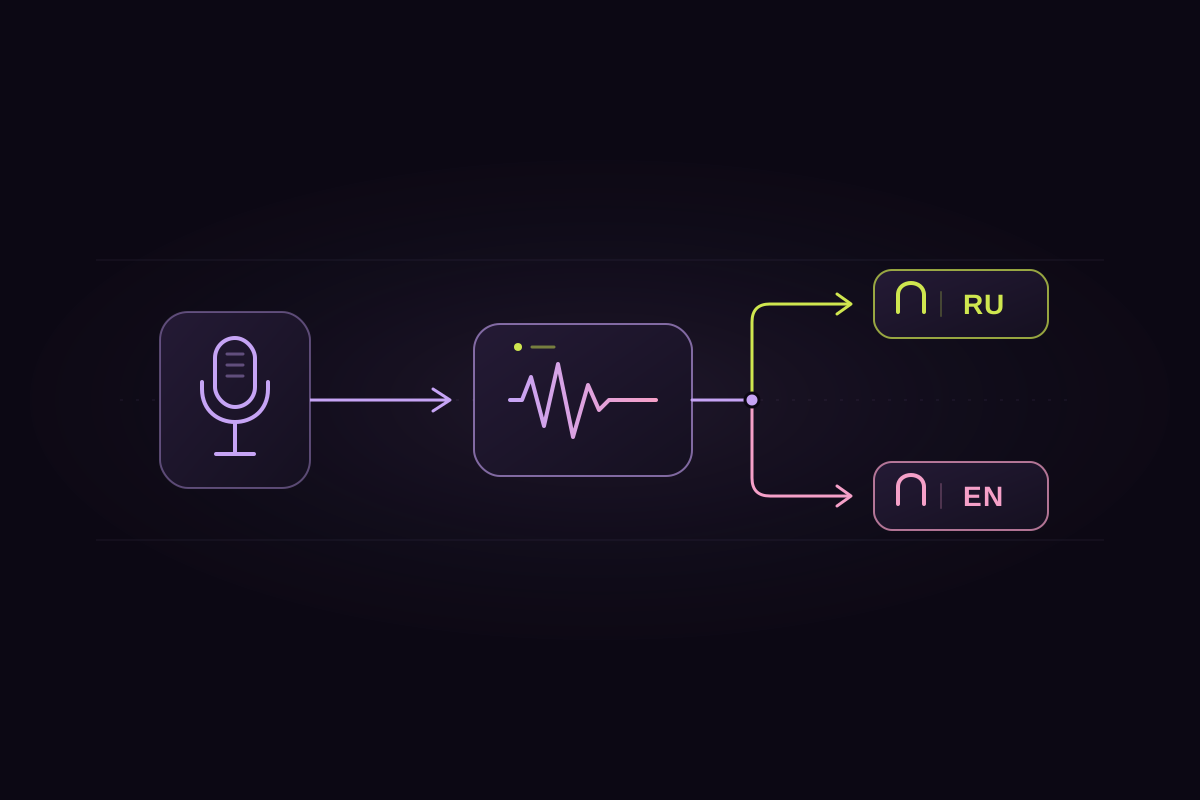
For an international audience, specify the languages of presentations, discussions and business meetings. A single general line stating 'conference interpretation' is not enough if different meetings are taking place in neighbouring rooms at the same time. Check the language plan by room and time.
During the technical rehearsal, run through every planned format: a presentation, panel discussion, audience question, video and remote connection, if included. Interpreters need the correct audio feed, and listeners need to understand how to select a language and where to get help.
The client's coordinator confirms the current presentations and terminology. The technical director agrees how cues and transitions will work. The project manager gathers confirmations and checks that the latest programme has reached everyone delivering it.
Add city activities after calculating the time required
The Giza pyramids and the Grand Egyptian Museum can be considered for the cultural part of the trip. For each selected programme, check visiting conditions, availability on the required date, transport and the duration of the whole outing in advance. The schedule needs to allow for assembly and the return journey, as well as time at the site.
After a busy business day, dinner near the hotel or free time may suit the group. If an off-site programme is mandatory, agree where it fits in the schedule before approving session lengths. The choice of activity should take delegates' interests and willingness to take on additional activity into account.
Prepare an alternative in case the programme changes. Establish who decides on the replacement, how it affects catering and transport, and who informs guests of the new arrangements.
What to prepare for a Cairo conference enquiry
The first enquiry can be brief. It is more important to identify the essential requirements and the questions on which you would like a proposal. Venue selection will then be tied to the purpose of the trip, and options can be compared against the same set of requirements.
- The purpose of the conference and the expected outcome of the business sessions.
- Delegate numbers, separate guest categories and possible changes to the group.
- Dates, trip duration and provisional departure cities.
- Mandatory meetings and addresses, if already known.
- The plenary, business meetings, parallel rooms and working languages.
- Accommodation, catering and travel requirements.
- Budget parameters and the costs that need to be included in the calculation.
- The client's responsibilities and the deadline for receiving a proposal.
Planning a conference in Cairo? Send La Royal Event your dates, group details, the objectives of the business programme and a list of mandatory meetings. This information will help select a venue and coordinate the programme with accommodation, interpretation and logistics.
Liked this article?
Share with colleagues — useful for them, nice for us :)
Stay on top of the industry
Weekly — new articles on MICE industry, cases and insights. No spam.