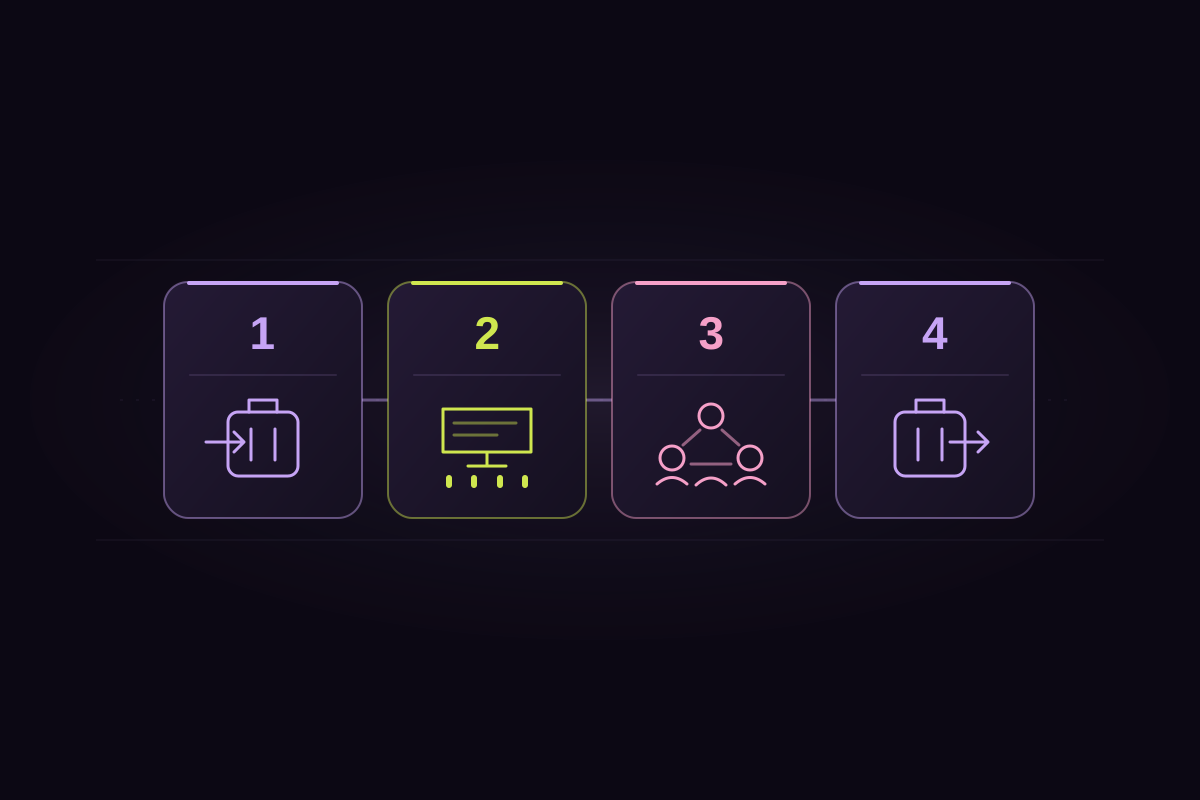
A four-day trip usually leaves less than four days for working together. Travel, check-in, speaker preparation and departures take up part of that time. Build your conference programme in Egypt around what the company needs to discuss and decide, then add meetings, downtime and evening events. The example below helps distribute the workload and identify where the schedule needs a buffer.
The type of trip this example is designed for
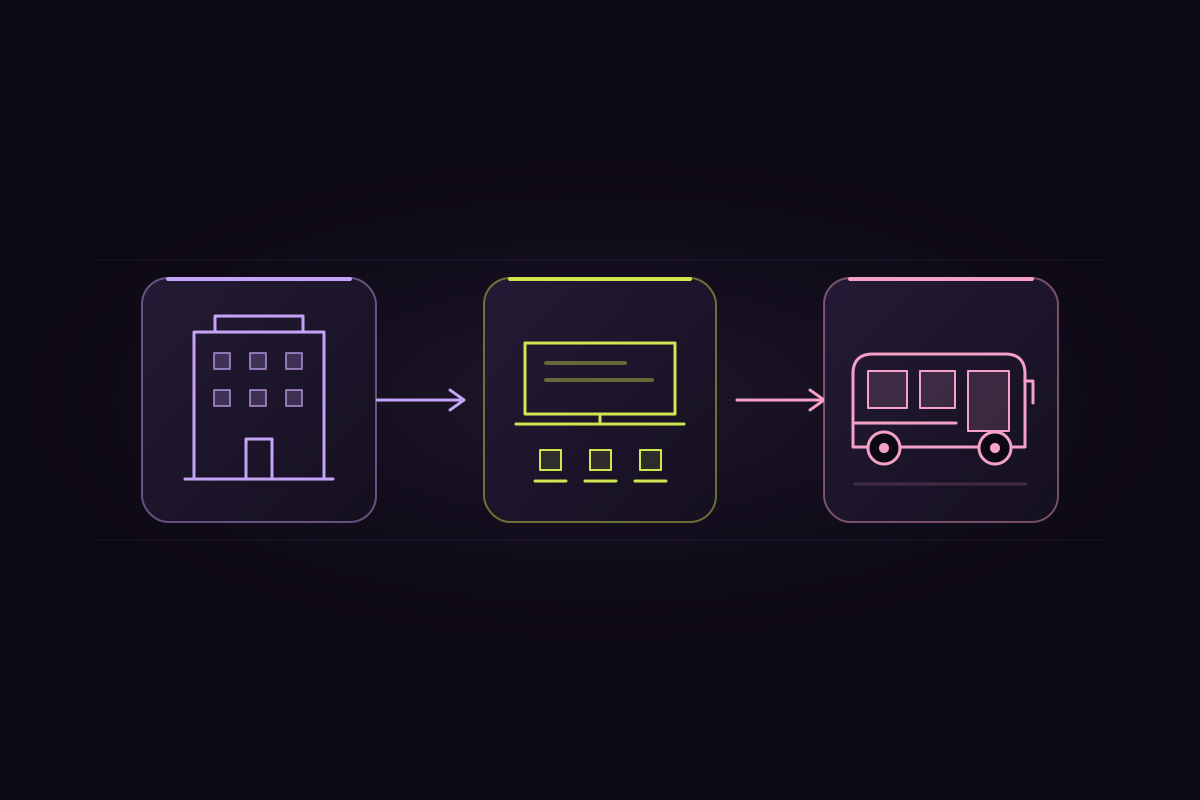
Consider a hypothetical corporate conference with three nights in one hotel. The main group arrives on day one and leaves in the second half of day four. The meeting room is in the hotel where delegates are staying. The programme needs to include a shared discussion of plans, work by business area and time for individual meetings. This is a model to adapt, rather than an account of a completed project.
The schedule below uses local time and does not replace the operational run of show. It can be used in Cairo or at a resort after checking flights, check-in arrangements and the venue's capabilities. If you first need to choose a city, start with our article 'Conference in Egypt: How to Choose the City, Venue and Dates'.
Define the outcome of the business programme first
Write down what the meeting should produce: an agreed plan, product decisions, feedback from partners or agreements between departments. Each outcome needs an appropriate format. A presentation helps communicate information; a discussion or working session is needed when participants have to develop a solution.
Each session should have an owner, an expected outcome and a way to record it. Session length can then follow the work that needs to be done. An empty slot in the schedule is not, in itself, a reason to add another presentation.
Day one arrivals and introductions
Keep the first day for welcoming the group, checking in and settling into the trip. Some guests may already be relaxing at the hotel while others are still travelling. Repeat important announcements in writing so that arriving late does not mean missing information.
For the organising team, this day may include checking the venue, delegate registration and rehearsals with speakers. Agree access to the meeting room and set-up separately: the group's arrival does not mean the venue is already ready.
- During the day — arrivals, check-in and free time, allowing for when rooms are actually ready.
- Approximately 18:00–19:00 — optional introductions and a short organisational briefing for guests who have arrived.
- Approximately 19:00–21:00 — a welcome dinner without a mandatory business agenda; arrange meals for late arrivals in advance.
Day two the shared agenda and initial discussions
Dedicate day two to topics the whole audience needs to hear. Leave time for questions after the leadership introduction and key presentations. If answers are repeatedly put off until later, delegates may go into breakout sessions with different understandings of the shared objectives.
After lunch, it helps to change the way people work: instead of continuing a long sequence of presentations, plan case discussions, questions for leadership or work in small groups. End the day by recording decisions and the questions to address the following morning.
- 9:30–11:00 — opening and the first substantive session.
- 11:00–11:30 — a break; check its duration against delegate numbers and service arrangements.
- 11:30–13:00 — a second session with discussion and questions.
- 13:00–14:30 — lunch and time without mandatory meetings.
- 14:30–16:00 — working groups or discussion of practical tasks.
- After 16:00 — a recap, scheduled individual meetings and free time. The evening programme starts after a separate break for rest.
Day three work by business area and shared conclusions
Day three works well for breakout sessions and meetings that need preparation following the shared agenda. Commercial teams, product teams and partners can work separately if each group has its own task. A joint closing session is needed so that the results do not remain within individual rooms.
After the business sessions, you can add a group activity or free time. Choose an off-site programme after allowing for travel, assembly and the return journey. Look through the available formats in the group programmes section once you know how much time is actually left.
If an awards ceremony or gala dinner is planned for the evening, prepare a separate run of show. Rehearsals for the host and speakers should not take up delegates' only break between the sessions and the evening.
- 9:30–11:00 — breakout sessions by business area or business meetings arranged in advance.
- 11:00–11:30 — a break and movement between rooms.
- 11:30–13:00 — presentation of group results and discussion of shared decisions.
- 13:00–14:30 — lunch.
- After 14:30 — a group activity, individual meetings or downtime, according to the chosen plan.
- In the evening — a closing dinner, allowing time for guests and the team to get ready.
Day four closing the trip and departures
In this model, the main work is complete by the evening of day three. Short meetings are possible on the morning of day four for those who can attend without jeopardising their departure. Do not leave essential decisions until some of the group have already checked out and left.
Agree check-out time, luggage storage, meals before departure and the order of vehicle departures in advance. Set the departure time according to the specific flight and route. A generic time slot from a ready-made programme is not suitable for this.
How to adapt the programme for late arrivals
If most delegates arrive overnight before day two, a morning plenary becomes a weak point in the model. Possible solutions include starting later, adding a night before the conference or reducing the number of mandatory sessions. The choice depends on the purpose of the trip and the group's circumstances.
With several waves of arrivals, schedule the shared session after the arrival of everyone needed to make decisions. Materials from introductory sessions can be shared separately. Trying to maintain a packed agenda for everyone without allowing for flights creates a programme that part of the audience will be physically unable to attend.
What changes with parallel breakout sessions
Parallel work requires a check of who is attending: one person cannot be in two rooms at once. If several groups need the same leader, schedule their discussions at different times or arrange a separate opportunity to obtain that leader's approval.
Agree session end times, breaks and the format for reporting back to the whole group in advance. Also check the availability of moderators, equipment and interpretation in every space being used. The scope of work is calculated for the specific schedule; equipment in the plenary room cannot automatically be treated as available to all breakout sessions.
What to check before approval
The delegate programme tells participants where to be and when. The team's operational run of show also covers set-up, rehearsals, catering readiness, presentation handover and the people responsible for each transition. These documents must be consistent with each other.
Before sending the programme to delegates, follow the schedule from one guest's perspective: from breakfast to the meeting room, then to lunch and the evening venue. Review it separately from the perspective of a speaker and the technical director. This makes it easier to spot clashes and tasks for which no time has yet been allocated.
- Flights and arrival times allow delegates to attend mandatory sessions.
- Separate time slots are provided for travel, meals and rest.
- Speakers, moderators and interpreters have agreed their sessions.
- Every discussion has an outcome and someone responsible for the next steps.
- Changes are communicated to guests and the team through an agreed channel.
To prepare a conference programme in Egypt, send La Royal Event your dates, departure cities, delegate numbers and the objectives of the business sessions. Include mandatory sessions, languages and your preferred evening formats — this information will help align the schedule with the venue, logistics and scope of work.
Liked this article?
Share with colleagues — useful for them, nice for us :)
Stay on top of the industry
Weekly — new articles on MICE industry, cases and insights. No spam.